Non-Traditional Bridal Colors: How to Choose Beyond White
White is the most common choice for a wedding dress, but it is far from the only one. More brides are choosing ivory, champagne, blush, and even deep dark shades that feel more personal to them. This guide explains how to pick a color that works with your skin tone, your venue, and your season, so the decision feels considered rather than random.
Why White Became the Default
The white bridal gown became widely popular in Western weddings during the nineteenth century and has stayed the standard since. It is a tradition, not a rule, and many cultures have their own bridal colors, such as red in several Asian wedding traditions. Choosing a different shade is a personal and practical decision, and it is worth thinking through before you order.
White Is Not One Color
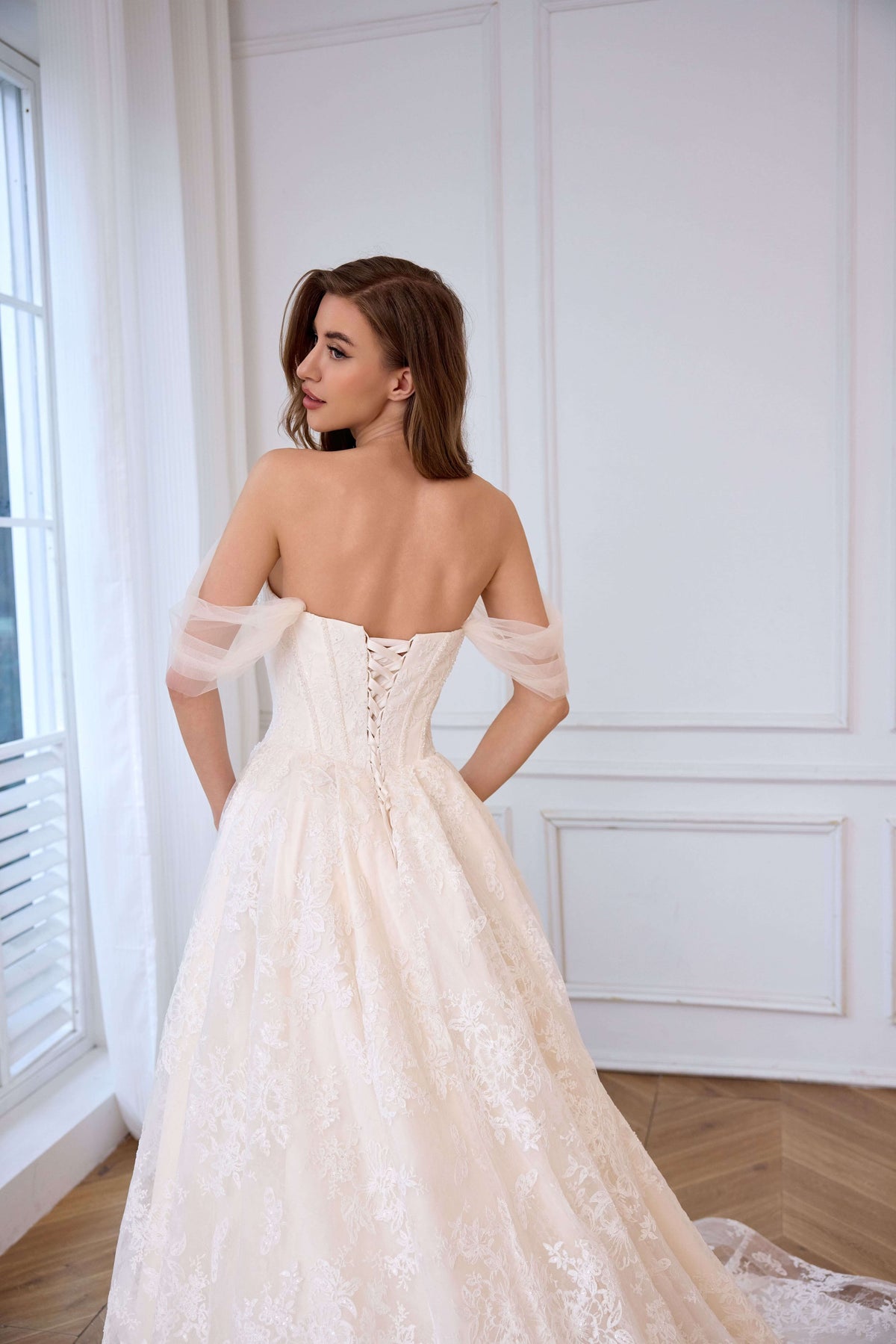
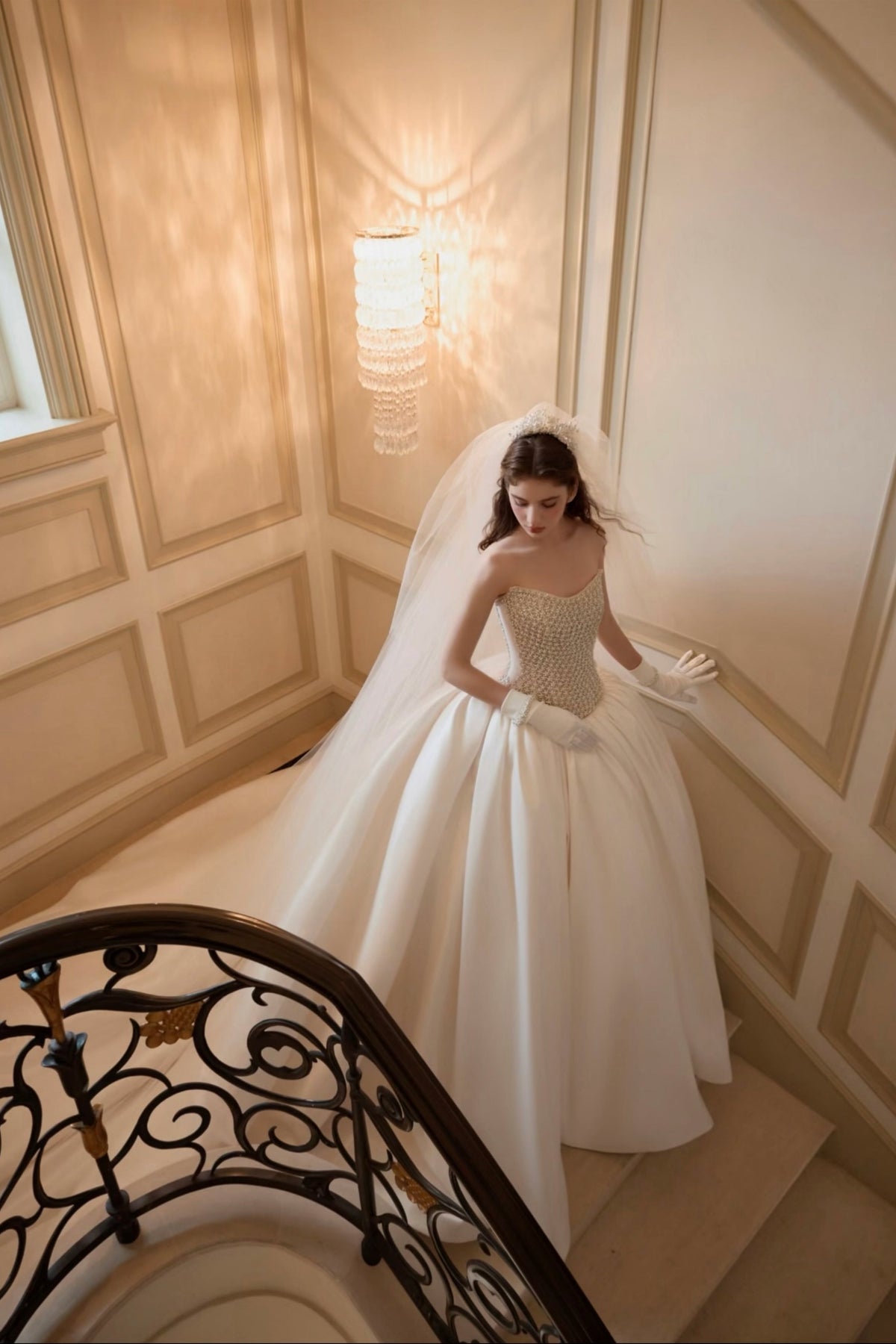
Even within the traditional range, shades vary a lot. Bright white is crisp and high contrast. Ivory has a warmer, creamier tone that many brides find softer against skin. Champagne leans golden, and blush carries a light pink tint. If you love the look of a classic bridal gown but find pure white harsh, moving one step toward ivory or champagne is often enough.
Matching Color to Your Skin Tone
Skin undertone affects how a color looks on you. Cooler undertones often pair well with bright white and soft blush, while warmer undertones tend to look natural in ivory and champagne. The most reliable test is to hold a fabric sample or a similar-colored garment near your face in natural daylight. Artificial light can shift how a shade reads, so judge color near a window rather than under indoor bulbs.
Choosing Bold and Dark Shades
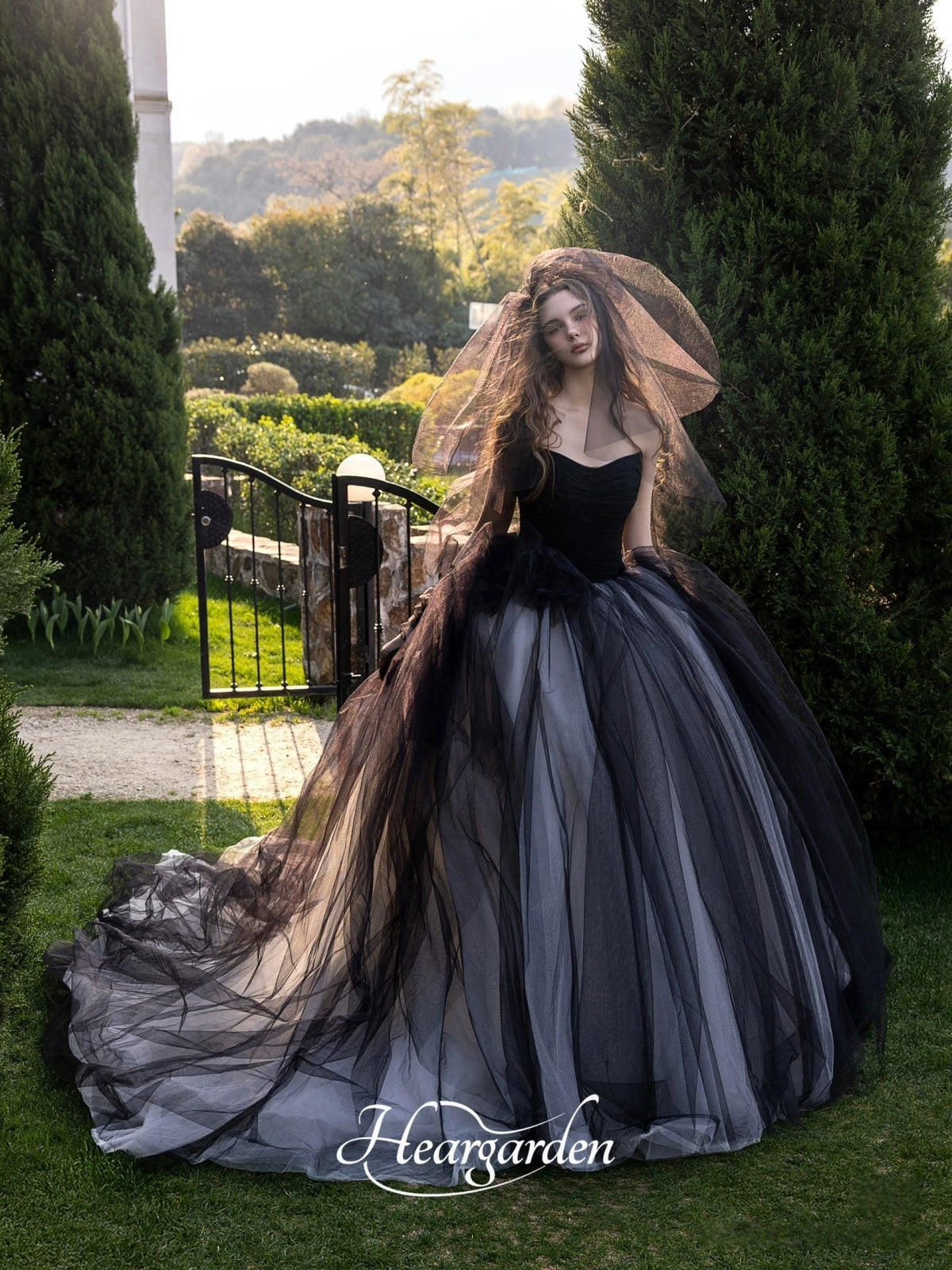
Dark bridal gowns make a strong statement and suit brides who want a dramatic or modern look. A few practical points are worth planning for. Dark fabric absorbs more heat in direct sun, so a dark gown at a summer outdoor ceremony can feel warmer. Fabric finish also matters, since a high-sheen material reflects light very differently from a matte one in photos. Lace and textured details show up beautifully on darker colors, which is one reason they photograph so well. If this direction appeals to you, browse our black wedding dresses to see how different fabrics and silhouettes look in dark tones.
Considering Venue and Season
The setting shapes how a color looks. Soft neutrals tend to glow in natural light, such as a garden or beach ceremony, while richer shades often look striking in candlelit or indoor evening venues. Season matters too: lighter tones feel natural for spring and summer, and deeper tones suit autumn and winter weddings. Thinking about your venue first often narrows the color choice quickly.
Talking to Family and Planning for Expectations
If you are choosing a non-traditional color, it can help to mention it to close family early, especially if they hold strong views on bridal tradition. Some brides choose a traditional shade for the ceremony and a different color for the reception, which keeps both sides comfortable while still reflecting personal style.
Using Accessories to Balance Your Color
Accessories can soften or sharpen a color choice. A veil in a coordinating shade can tie the look together, while a contrasting accent can add depth. Make sure your veil and accessories are close to the shade of your gown, since small mismatches in tone are more noticeable in photographs than in person. You can browse wedding veils and bridal accessories to see what pairs with different gown colors.
Judging Color When You Shop Online
Screens display color differently depending on brightness, device, and settings, so a shade can look warmer or cooler than it really is. Rely on the color name in the product description rather than the photo alone, and compare it against the shades of your veil, shoes, and jewelry before you finalize your order.
At Andbride, every dress includes free custom sizing, so once you have settled on the color you love, the fit can be built around your own measurements. You can see how measuring works on our size chart page.
Frequently Asked Questions
What is the difference between white and ivory for a bridal gown?
White is a bright, crisp shade, while ivory has a warmer, creamier tone. Ivory often looks softer against skin, especially for warmer undertones.
Is a dark wedding dress practical for a summer ceremony?
It can be, but dark fabric absorbs more heat in direct sun. Choosing a lighter fabric and planning for shade or an evening ceremony can help with comfort.
How do I check a dress color when ordering online?
Use the color name in the product description as your main guide, since screens can change how a shade looks. Compare it with your accessories before finalizing the order.