Lace Types Explained: Chantilly, Alençon and Guipure
When a wedding dress is listed as "lace," that single word can describe very different materials. Some lace is sheer and soft, some is thick and sculptural, and the difference changes how the gown looks in photos, how it feels on your skin, and how it holds up over a long day. This guide explains the main lace types in plain terms so you can recognize them before you order.
Why Lace Type Matters
Lace is a category, not a single fabric. The base it is built on, the way the pattern is outlined, and how densely the motifs sit together all affect weight, transparency, and structure. Two gowns can both be called lace and still suit completely different venues, seasons, and silhouettes. Knowing the type helps you read a product description more accurately and avoid surprises when the dress arrives.
Chantilly Lace
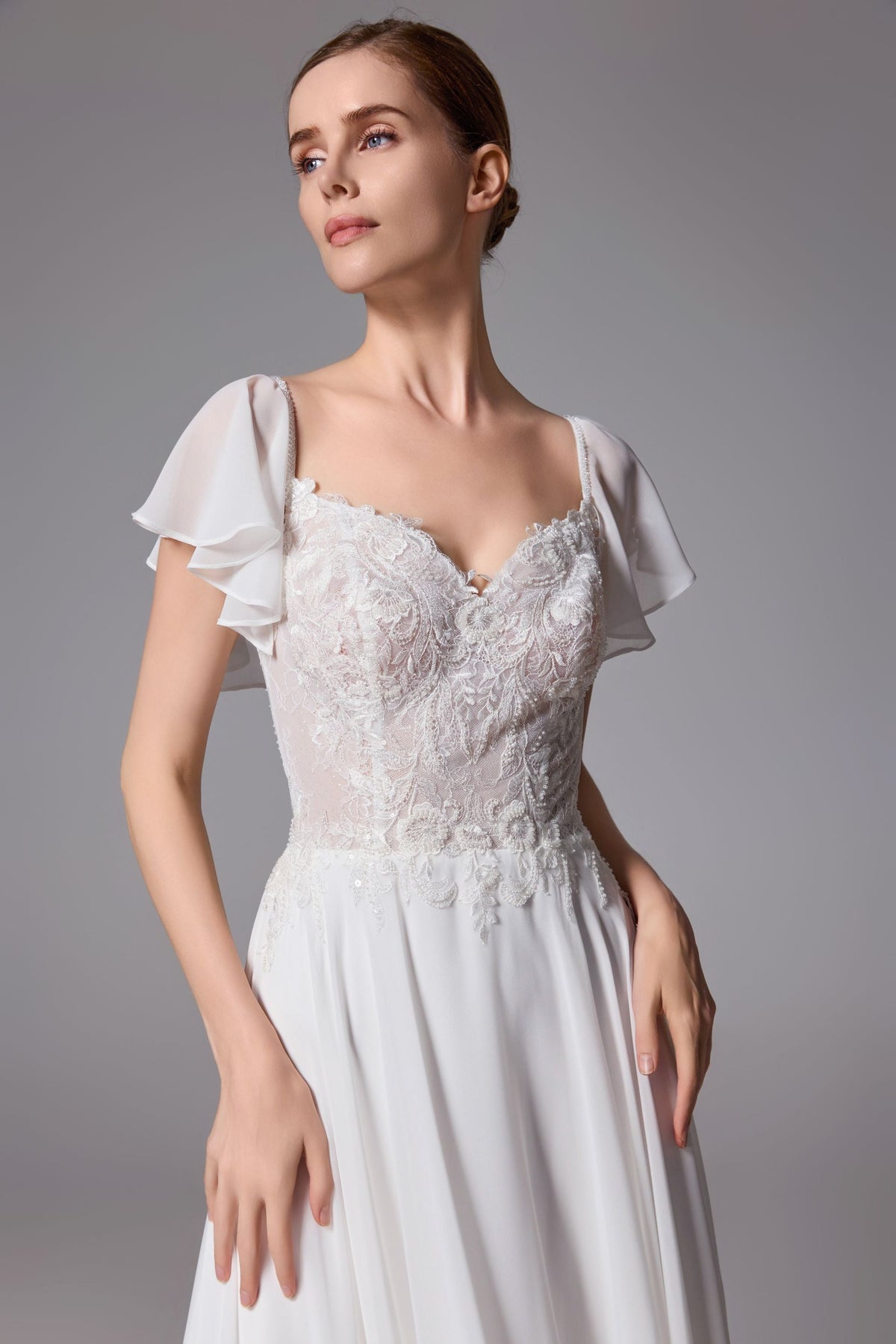
Chantilly is known for its fine, delicate look. It usually has a sheer net ground with detailed floral motifs, often finished with softly scalloped edges. Because the ground is so light, Chantilly tends to feel airy and works well as an overlay on a bodice, sleeves, or a flowing skirt. It suits brides who want a romantic, soft appearance rather than a heavy, structured one.
Alençon Lace
Alençon lace also sits on a sheer net ground, but its motifs are typically outlined with a thin cord, which gives the pattern more definition and a slightly raised look. It reads as a little more structured than Chantilly while still staying lightweight. Many brides choose it when they want visible detail in the pattern without the weight of a dense lace.
Guipure Lace
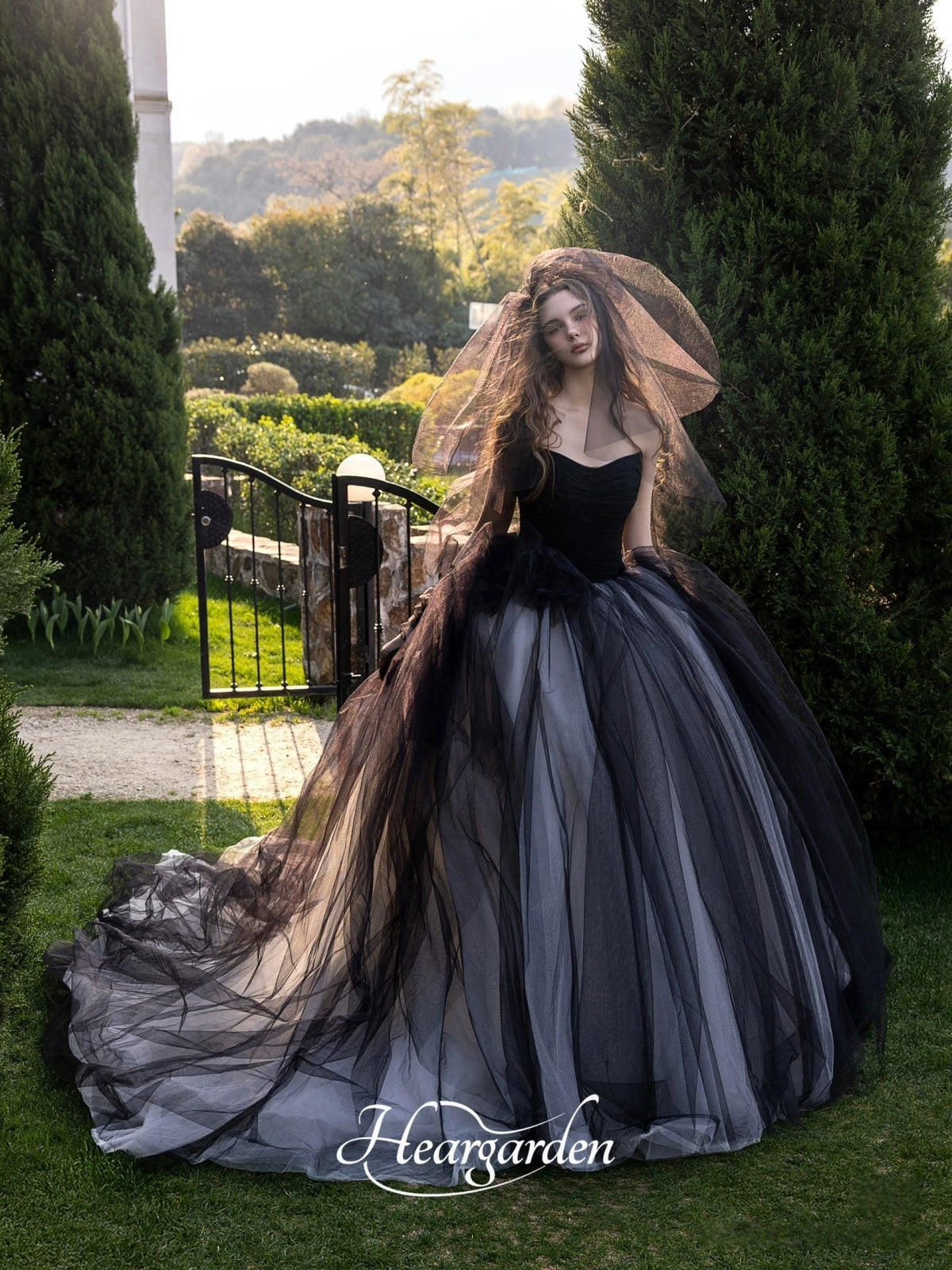
Guipure is different from the two above because it has no net ground. The motifs are joined directly to each other or connected by small bars, so the fabric is solid, textured, and heavier. This gives guipure a bold, graphic look and plenty of structure, but it also means less airflow, which is worth considering for warm weather or outdoor venues.
Embroidered and Beaded Lace
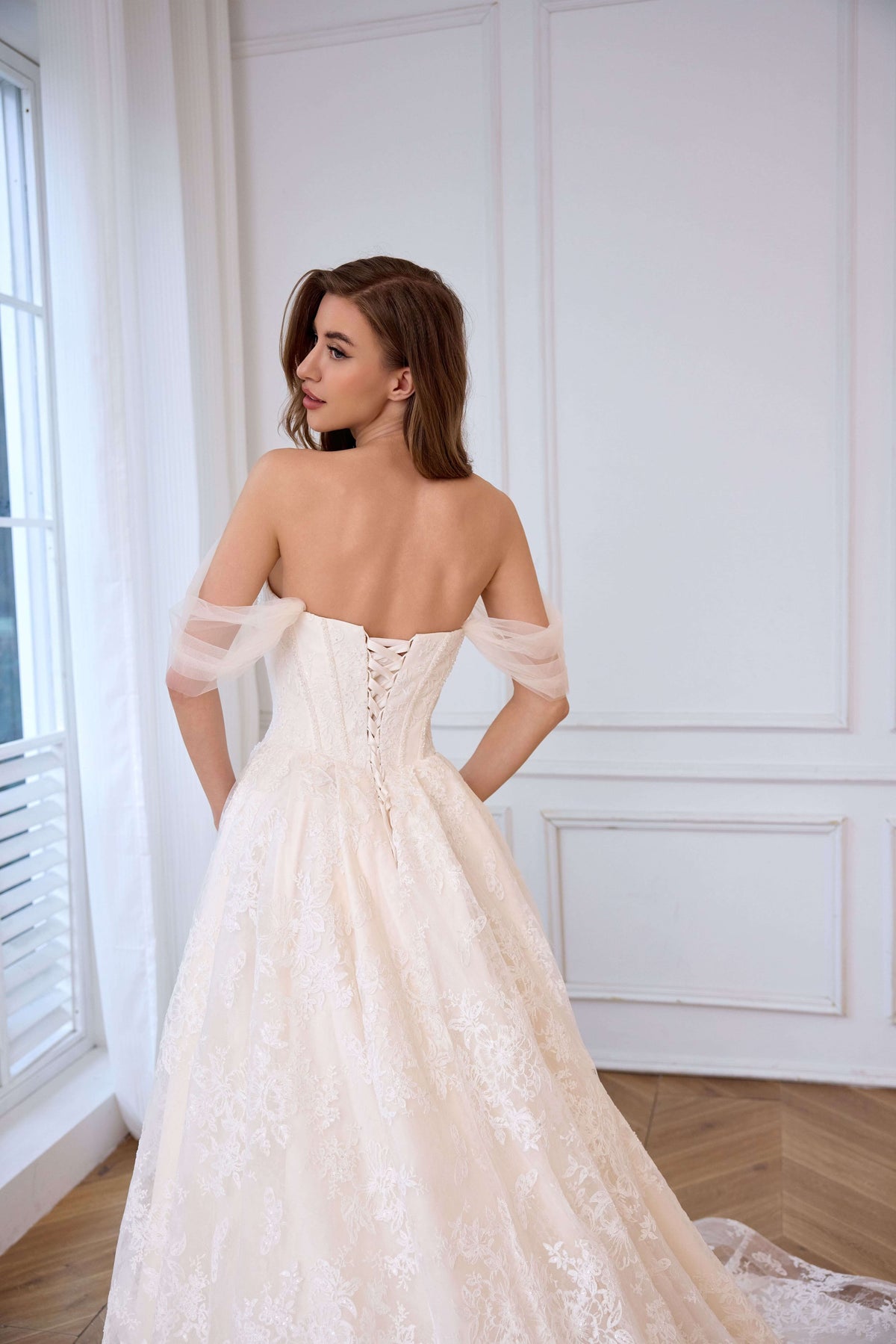
Many modern gowns use lace appliqués or embroidery sewn onto tulle, sometimes with beads, pearls, or sequins added on top. The result can range from light and subtle to richly detailed, depending on how much embellishment is used. Beading adds weight, so check the description if comfort over a long day matters to you. For a closer look at this style, see our beaded heirloom lace couture collection.
How to Identify Lace Type From Product Photos
Start by checking whether you can see a net background between the motifs. If the pattern floats on sheer net, it is likely Chantilly or Alençon. If the motifs touch or connect with no net behind them, it is likely guipure. Next, look at the outline of the pattern: a visible raised cord points toward Alençon, while a flatter, finer outline points toward Chantilly. Finally, read the fabric line in the product description rather than relying on the photo alone, since lighting and styling can change how lace appears on screen.
Choosing Lace for Season and Comfort
Lighter lace over tulle generally feels cooler and more flexible, which suits spring and summer weddings. Heavier, denser lace gives more structure and warmth, which suits cooler seasons and formal indoor venues. Lace with a lining also feels different against the skin than lace with a sheer or illusion layer, so check how the dress is constructed as well as how it looks.
Caring for Lace Before and After the Wedding
Fine lace can snag on jewelry, rough surfaces, and zippers, so handle the dress gently when trying it on and storing it. Keep it in a breathable garment bag rather than plastic, and avoid hanging a heavily beaded gown by its straps, since the weight can stretch the bodice over time. When you are ready to browse, our lace wedding dresses show several of these lace types in different silhouettes.
At Andbride, every dress includes free custom sizing, so the placement of lace details can sit correctly on your own measurements. You can check how measurements work on our size chart page before you order.
Frequently Asked Questions
Which type of lace is lightest for a summer wedding?
Lace on a sheer net ground, such as Chantilly or Alençon, is generally lighter and more breathable than guipure, which is solid and denser. Light lace over tulle is usually the more comfortable choice in warm weather.
Does lace snag easily?
Fine lace can catch on jewelry, rough fabric, and zippers. Handling the dress gently and removing sharp accessories while dressing reduces the risk.
How can I tell what type of lace a dress uses from the photos?
Look for a net background between the motifs and check whether the pattern has a raised outline. Then confirm the fabric details in the product description, since photos alone can be misleading.